
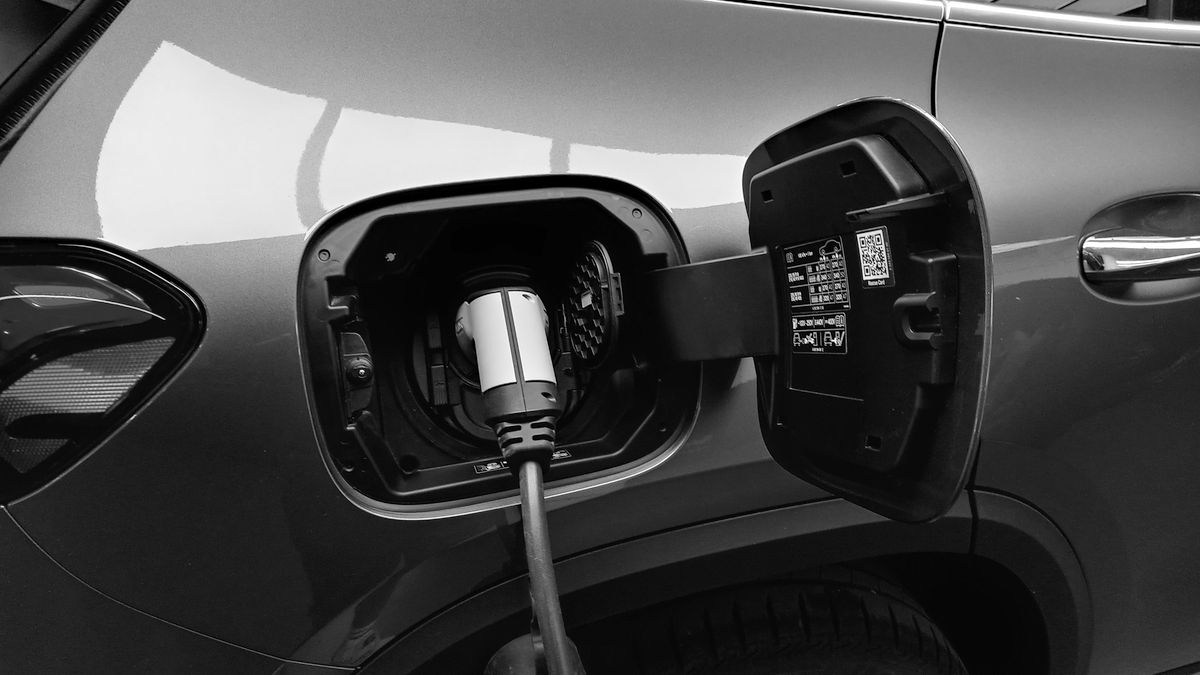
Most drivers who switch to electric focus on the car and then panic about the charger. In reality, the single biggest lever on your running costs is the electricity tariff you're on. If you're charging on a standard variable rate of around 24–25p per kWh, you're paying roughly three times what a dedicated off-peak rate can offer. For a driver covering 8,000 miles a year in a car that returns about 3.5 miles per kWh, that's somewhere close to 2,300 kWh — and the difference between 25p and 8p on that volume is well over £350 a year.
The good news is that switching tariff costs nothing and takes about ten minutes. You'll need a smart meter, which most suppliers will install free of charge if you don't have one already. Once it's in and communicating properly, you can move to a time-of-use tariff built around cheap overnight windows.
These tariffs split the day into bands. A typical structure looks like this:
Some tariffs are more generous with the cheap window but charge more during peak hours. That's the catch worth understanding before you sign up. If you cook, run the tumble dryer and heat the house with electricity between 4pm and 7pm, a time-of-use tariff can work against you. If you can shift those jobs, it's a clear win.
Also check the standing charge. A tariff with a very cheap overnight rate sometimes carries a higher daily charge, which eats into the saving if you're a low-mileage driver.
A basic untethered charge point will happily pump 7kW into your car. A smart charger does three useful things on top of that.
First, it schedules. You tell it when you want the car ready and how much charge you need, and it works backwards to use the cheapest hours. Second, it tracks. You get a proper record of how many kWh went in, per session and per month, which makes it much easier to spot when your costs drift. Third, it can manage load. If your home has a 60-amp supply and you're running an oven and a shower, the charger will throttle back rather than trip the main fuse.
Some smart chargers also integrate with solar generation, diverting surplus power into the car instead of exporting it. If you have panels, that's worth having. If you don't, don't pay extra for it — a scheduled overnight charge is almost always cheaper than daytime solar export on current rates.
The most common mistake is plugging in at 6pm when you get home. That's peak pricing, and on some tariffs it's the most expensive electricity you'll buy all day.
Instead, get into the habit of plugging in whenever you park, but setting the charge to start when it's cheap. If your car has a built-in timer, use that. If not, use the charger's app. Some drivers prefer to plug in only before bed — that works too, but it removes the option of grabbing a top-up if plans change.
A few practical points:
Charging losses are real: expect around 10% of what you draw from the wall to be lost as heat, especially in cold weather. Keeping the car in a garage, or at least out of standing water and driving wind, helps slightly.
Preconditioning while plugged in is worth more than most people realise. Warming the cabin on mains power rather than battery power can add a couple of miles of range on a cold morning, and it costs pennies in the off-peak window.
Don't charge to 100% every night unless you need the range. The last few percent take longer and cost the same per kWh, but if you only need 60%, stopping there is faster and gentler on the battery. Most cars let you set a charge limit — 80% is a sensible default for daily use.
A realistic household doing 8,000 miles a year, charging almost entirely overnight on an 8p rate, should spend somewhere in the region of £200 a year on electricity for the car. Push half of that charging into peak hours and you'd be closer to £350. The fixes — a smart meter, an off-peak tariff, a scheduled charge and a departure time — cost little or nothing to adopt, and they're the difference between running an EV cheaply and running one expensively. Set them up once, and the savings look after themselves.

Hi, my name is Anthony kuber. I am artist and fashion designer.
I love to travel and writing blogging.
Your email address will not be published. Required fields are marked *
Software Developer & Writer
Hey, I'm Diva, a developer and writer blending code and creativity. I'm driven by a deep curiosity and a relentless pursuit of excellence. Join me as I craft digital solutions and captivating stories.


