
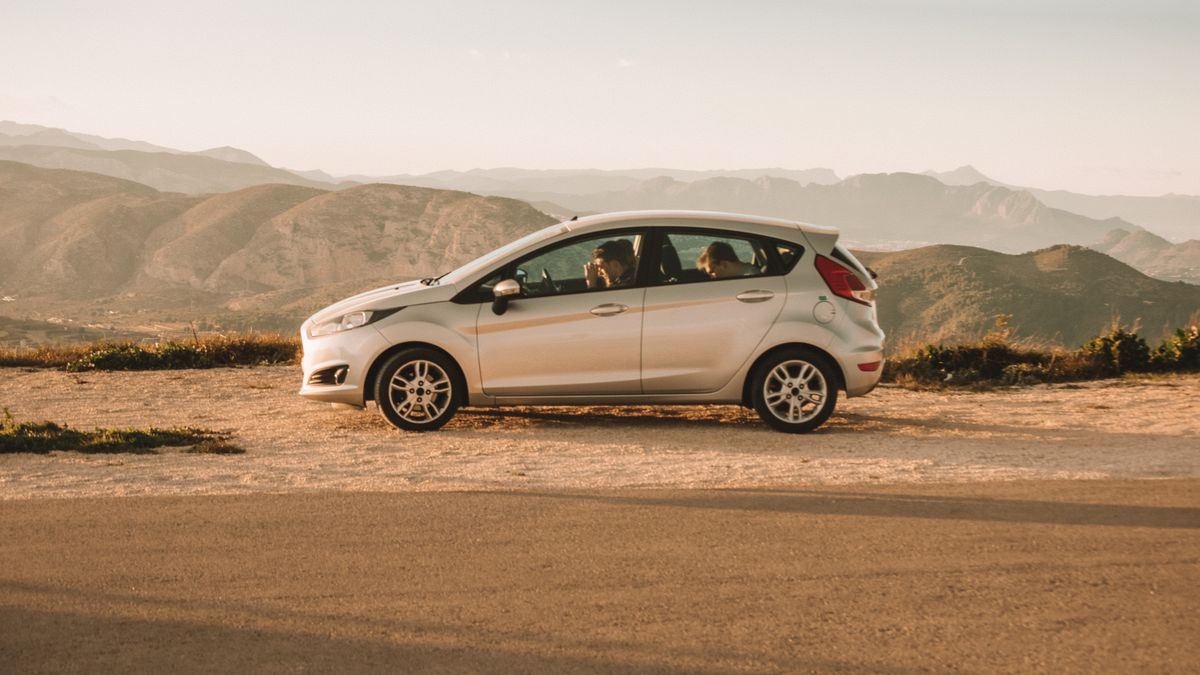
British urban driving is its own discipline. You are not cruising long motorway stretches; you are threading between parked vans on Victorian terraces, hunting for a gap outside the school gate, and squeezing into a multi-storey space that was clearly designed for something narrower. A small city car turns those daily irritations into non-events.
The case is simple: a shorter, narrower car is easier to place, easier to park and usually cheaper to insure, tax and fuel. For most urban drivers covering 6,000 to 10,000 miles a year, a well-chosen city car does everything a larger hatchback does, minus the stress and the running costs.
Manufacturers quote length, width and turning circle, and those three numbers matter more than almost anything else in town. A car under four metres long will slot into most residential bays and parallel parking gaps that a family hatchback has to ignore. A turning circle of around 10 metres or less makes a three-point turn into a single confident swing.
Don't forget mirror-to-mirror width. Two cars that look identical on paper can feel very different in a width restrictor or a narrow side street, because folded mirrors and a rounded nose buy you real clearance. Check the height too if you park in an older multi-storey, where some barriers sit surprisingly low.
Small cars are cheaper to run, but the difference between two similar models can still be hundreds of pounds a year. Look at these figures before you fall for a colour or a sound system:
A city car is often a commuter car, which means you may spend an hour a day in it, frequently in traffic. That makes the driver's seat the single most important feature to assess. Look for:
For pure town use with short journeys, a small petrol engine is simple and cheap to maintain, though repeated short trips are hard on the battery and exhaust. A mild hybrid adds a little assistance and smooths stop-start traffic without complicating your life. A full hybrid is excellent in congestion, where it runs on electricity much of the time.
A small electric car is the smoothest option of all if you have off-street parking and a home charger. Bear in mind that cold weather reduces range noticeably, and that rapid charging on the public network costs far more per mile than charging at home overnight. If you cannot charge where you park, be honest with yourself about whether the convenience is worth it.
Book a test drive that mirrors your real routine. Drive it to your own street, park it in your usual bay, and reverse into a tight space. Then work through the practical questions:
Take your time, drive two or three rivals back to back, and trust your instincts about comfort. The best city car is not the one with the longest equipment list — it is the one that makes your daily drive feel easy, cheap and quietly enjoyable.

Hi, my name is Anthony kuber. I am artist and fashion designer.
I love to travel and writing blogging.
Your email address will not be published. Required fields are marked *
Software Developer & Writer
Hey, I'm Diva, a developer and writer blending code and creativity. I'm driven by a deep curiosity and a relentless pursuit of excellence. Join me as I craft digital solutions and captivating stories.


