
Motorways get you there, but they rarely make you glad you went. If the point of the drive is the view, build the day around A-roads and B-roads instead, and treat the motorway as nothing more than a way of reaching the good bit.
On a map, the wiggliest lines are usually the ones worth driving. They follow valleys, hug coastlines and crest hills, but they are also slow. A B-road that looks like a short hop can take an hour, and a single-track lane with passing places can take longer still. Plan distance by time, not by miles, and be honest with yourself about how much you actually want to drive.
A route that was open in spring can be shut in November, and the reason is often something you would never guess from a map. Check the day before and again on the morning you leave.
In towns, petrol stations are everywhere. In the hills and along the coast, they can be twenty or thirty miles apart, unmanned, card-only, or shut by six in the evening and all day Sunday. Fill up when you are down to half a tank rather than waiting for the warning light.
If you drive an electric car, plan charging before you plan the scenery. Rural rapid chargers are thinner on the ground, some are single units that may be occupied or out of service, and cold weather can knock a noticeable chunk off your range. Have a backup charger in mind, and remember that a headwind on an exposed moorland road costs you range just as uphill work does.
Comfort stops deserve the same thought. Village pubs often need booking at weekends, and a flask and a sandwich in a lay-by with a view is sometimes the better plan anyway. Build in a proper break every couple of hours, not just a quick leg stretch.
Check the forecast for the whole route, not just for home. Hills and coasts make their own weather, and mist can turn a spectacular pass into a slow crawl with no view at all.
Also remember that deer, sheep and pheasants are most active at dawn and dusk, and they do not respect your itinerary.
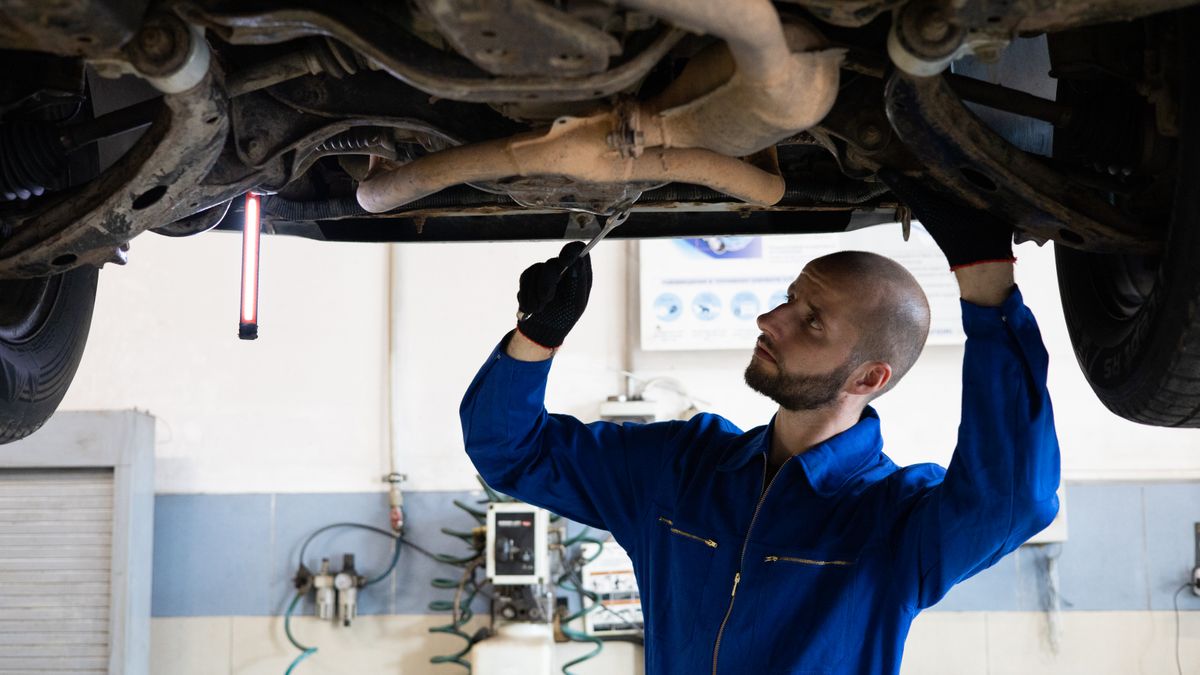
A few minutes of checks save a lot of trouble. Tyre pressures and tread, a spare or repair kit, working lights, and screenwash mixed strongly enough for the season. Top up oil and coolant if they need it. Give the car a quick look underneath if you have been on muddy lanes recently.
Bring more than you think you need: water, snacks, a warm layer, waterproofs, a torch and any medication. Download offline maps before you go, because signal blackspots are common in the places you most want to visit. Tell someone where you are going and when you expect to be back, and check that your breakdown cover actually covers the area and the vehicle.
Rural driving has its own etiquette, and getting it right makes the day better for everyone.
Finally, allow time to stop. The best moments on a scenic drive are usually unplanned — a lay-by with a view, a village shop with a decent pasty, a beach you spotted from the road. Leave slack in the plan and the day will repay you.

Hi, my name is Anthony kuber. I am artist and fashion designer.
I love to travel and writing blogging.
Your email address will not be published. Required fields are marked *
Software Developer & Writer
Hey, I'm Diva, a developer and writer blending code and creativity. I'm driven by a deep curiosity and a relentless pursuit of excellence. Join me as I craft digital solutions and captivating stories.


