
Every electric car on sale will tell you it manages a certain number of miles on a charge. Treat that figure the way you'd treat a fuel consumption claim: as a best-case number achieved by a careful driver on a warm day with no passengers and the heating off. In real British commuting conditions — a January morning, damp roads, headlights, wipers, heater, a bit of motorway — you should expect to lose somewhere between 20% and 35% of it.
So before you look at a single car, work out what your week actually looks like. Most UK commutes are short: the average round trip is well under 30 miles. If that's you, almost any modern electric car will cover a week of commuting on one or two charges, and range anxiety is largely a thing you read about rather than experience.
The number that matters is your worst realistic day, not your average one. That means the coldest morning of the year, the evening you have to detour to collect something, the day you forget to plug in. Add a generous buffer — around 40% on top of your normal daily mileage — and you'll rarely think about range again.
If you have off-street parking, this is the single biggest factor in whether an electric car makes financial sense. Charging overnight on a cheap electricity tariff typically costs a fraction of what you'd pay at a public rapid charger, and compared with petrol or diesel the difference is stark. A full charge on a mid-sized family car can cost less than a round of coffees, provided you're charging at home on the right tariff.
The most useful thing you can do is test overnight charging before committing. Borrow or hire an electric car for a few days, plug it in on your drive, and see how the routine feels. Most people find it's less hassle than a petrol station, but you want to discover that for yourself rather than take someone's word for it.
Manufacturers love a big number — "charges at up to 150kW" — but a car only hits its peak rate for a few minutes on a warm battery at the right state of charge. What you actually experience is the charging curve: how quickly the car accepts power between 10% and 80%. A car with a lower peak but a flatter curve can beat one with a flashy headline figure.
If you can charge at home, rapid charging is a handful of times a year and speed barely matters. If you can't, it matters enormously — a slow-charging car will grate on you within a month.
Batteries are heavy, and that weight shows up in places you might not expect. Tyres wear faster, so budget accordingly. Insurance groups can be higher than an equivalent petrol model. Servicing is usually cheaper, since there's no oil, no clutch and far fewer moving parts, but check what the warranty covers and how long the battery is guaranteed for.
Also worth checking: boot space (some electric cars have a high load floor that eats into it), whether the car has a heat pump for efficient winter heating, and whether a salary sacrifice scheme at work could bring the monthly cost down. Take your pram, golf clubs or dog crate to the dealer and actually try loading them.
An hour-long test drive tells you almost nothing about living with an electric car. Hire one for a week if you can. Do your actual commute. Park it on your drive and plug it in overnight. Do a longer weekend trip and use a public rapid charger at least once, ideally in the cold.
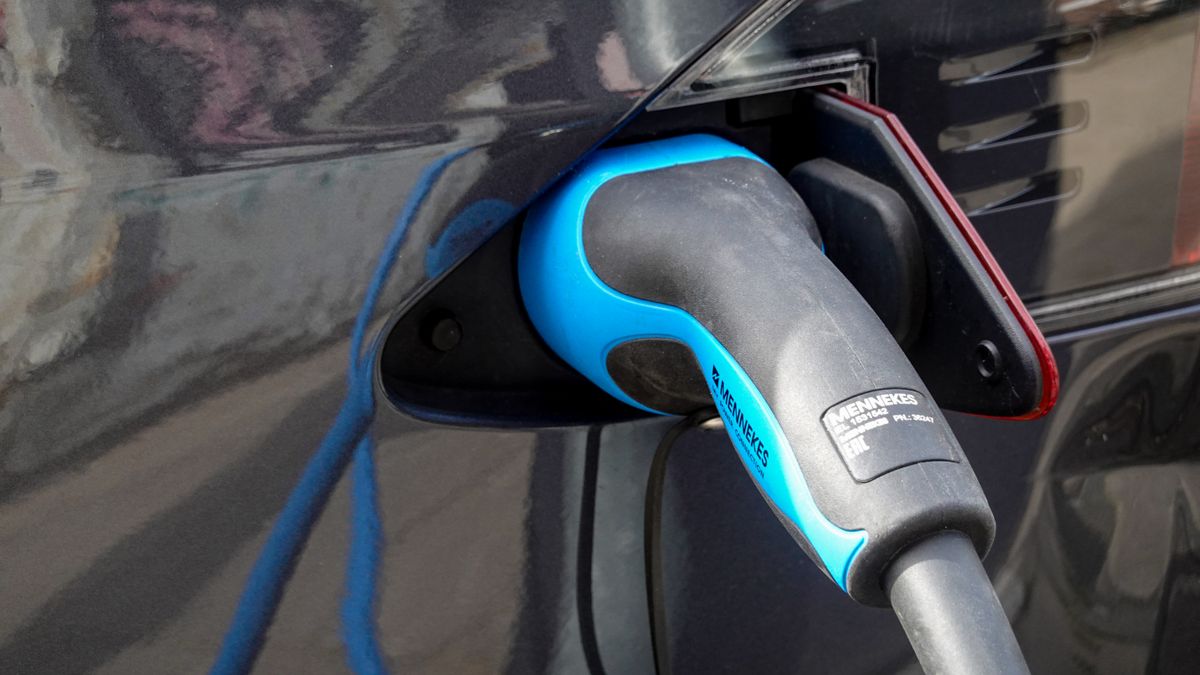
Pay attention to the small irritations: where the charge port sits, whether the cable reaches, whether you'd have to reverse onto your drive, whether the app is any good. Those details decide whether ownership feels easy or annoying.
The best commuter car is often a small, efficient one with a modest battery. It's lighter, cheaper to buy, cheaper to insure and charges quickly relative to its size. Buying a long-range model for a 25-mile commute mostly means paying to carry around a battery you'll never fully use — unless you regularly do long journeys.
Prioritise in this order: home charging, then honest winter range, then charging speed, then everything else. Get those right and the day-to-day running costs will look after themselves.

Hi, my name is Anthony kuber. I am artist and fashion designer.
I love to travel and writing blogging.
Your email address will not be published. Required fields are marked *
Software Developer & Writer
Hey, I'm Diva, a developer and writer blending code and creativity. I'm driven by a deep curiosity and a relentless pursuit of excellence. Join me as I craft digital solutions and captivating stories.


