
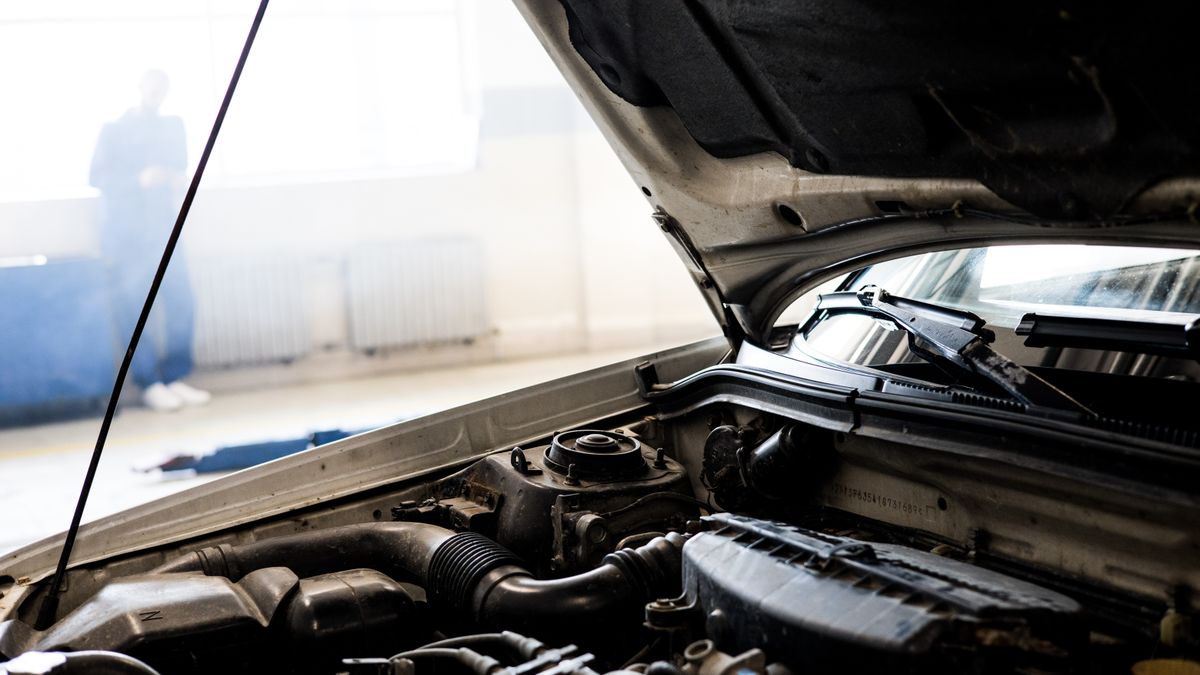
Buying a used car from a private seller often gets you more car for your money. Dealers have overheads to cover, so their prices include a margin. A private seller usually just wants a fair price and a straightforward sale. The trade-off is that you lose the legal protections that come with buying from a trader, so the burden of checking the car falls on you. That is not a reason to avoid private sales — it is a reason to go in prepared.
Take your time, ask plenty of questions, and never let enthusiasm for a particular car override common sense. There will always be another one.
Start by looking closely at the advert. Clear, well-lit photos of the whole car, including the interior and the engine bay, suggest a seller who has nothing to hide. Vague descriptions, stock photos or a single blurry image are worth a second thought.
A paid vehicle history check costs a small amount and can reveal outstanding finance, insurance write-offs, recorded theft or a change of registration. If there is outstanding finance on the car, the lender may still own it — which means you could lose both the car and your money. This single check is the best value item in the whole process.
Always meet in a public place, ideally during daylight. A busy supermarket car park, a retail park or a motorway services are all fine. If the seller is reluctant to meet anywhere but a remote location, or insists on cash only and a quick sale, walk away. Take someone with you if you can, and let a friend or family member know where you are going and when you expect to be back.
Meet at the seller's home if you can, rather than a neutral spot. It tells you something about how the car has been kept, and it matches the address on the paperwork. If the address on the V5C does not match where the car lives, ask why.
The V5C, or logbook, is the car's registration document. You need to see the original, not a photocopy, and you need to check it carefully.
Also look for the service record. A stamped book or a folder of invoices showing regular maintenance tells you far more than a shiny paint job. Ask when the cambelt, clutch or timing chain was last done if relevant, and check the last MOT certificate and any repair receipts. Do not let the seller keep the documents with a promise to post them on later.
Look at the car in daylight and when the engine is cold, so you can spot starting problems and blue or white smoke from the exhaust. Check the tyres for tread depth and uneven wear, look for mismatched paint or uneven panel gaps that might hint at accident damage, and confirm the VIN on the car matches the V5C.
Insist on a proper test drive of at least fifteen minutes, covering town roads and a stretch of faster road. Before you set off, make sure you are insured to drive it — many policies cover you to drive another car third party, but check yours first. During the drive, listen for knocks and rattles, feel for pulling under braking, and test the clutch, gearbox, heater, air conditioning and electrics. If the seller will not allow a test drive, that is your answer.
Payment is where private sales go wrong most often. Bank transfer is usually the safest route for both sides, done while you are together so you can see the money arrive. Avoid carrying large amounts of cash, and never hand over money before you have seen the car, the V5C and the keys.
When the deal is done, get a written receipt with the date, the price, the car's registration and both names and signatures. The seller should give you the V5C with the yellow "new keeper" section filled in, and you should use that slip to tax the car before you drive it home. Insurance must be in place too. Keep copies of everything, and if anything feels off during the process, trust that feeling — there is no shortage of honest cars for sale.

Hi, my name is Anthony kuber. I am artist and fashion designer.
I love to travel and writing blogging.
Your email address will not be published. Required fields are marked *
Software Developer & Writer
Hey, I'm Diva, a developer and writer blending code and creativity. I'm driven by a deep curiosity and a relentless pursuit of excellence. Join me as I craft digital solutions and captivating stories.


