
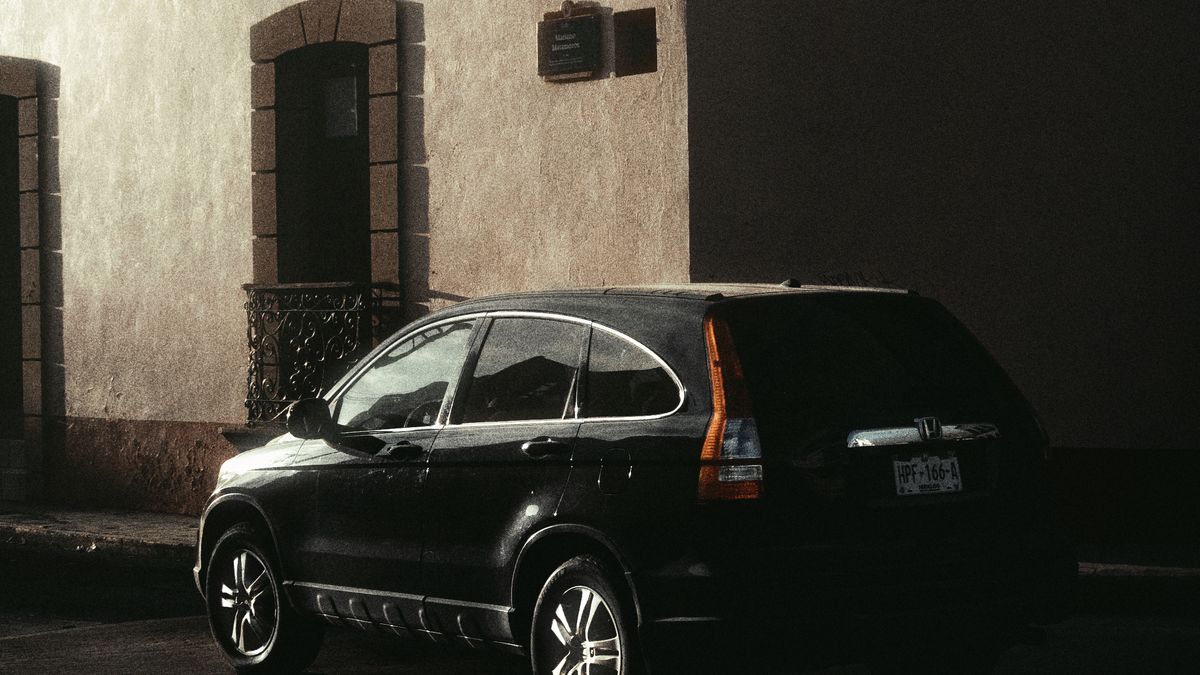
Engine oil lubricates the moving parts inside your engine, carries heat away from hot spots, and holds the by-products of combustion in suspension until your next oil change. Run it too low and metal starts meeting metal — which is how a cheap top-up turns into a new engine. The good news is that checking your oil is one of the simplest jobs you can do on your driveway, and you do not need to be a mechanic to get it right. A dipstick, a rag and a litre of the right oil will see you through.
Accuracy matters more than speed here, so set yourself up properly.
Your car's handbook is the final word on oil grade and capacity, so keep it handy. On many newer cars there is no dipstick at all; instead you check the level through a dashboard menu, usually with the engine warm and idling. Follow the handbook procedure exactly, because the tolerances are tighter.
Pull the dipstick out — it usually has a bright yellow or orange loop handle, though on some cars it is a plain metal ring. Wipe it clean, push it fully home, then pull it out again. That second reading is the one that counts.
Look for two marks near the tip: a minimum and a maximum, often with a cross-hatched section between them. The oil should sit between the two, closer to the top mark being better. If the level is at or below MIN, top up before you drive any distance. If it is above MAX, do not add any more — overfilling can force oil past seals and cause leaks or foaming.
While you are there, look at the oil itself. Fresh oil is amber and slightly translucent. Black oil is not automatically a problem in a diesel or a high-mileage petrol engine, but oil that looks milky or mayonnaise-like suggests coolant is getting in, and gritty oil with a metallic shimmer means it is time to speak to a garage.
Find the oil filler cap on top of the engine — it is normally marked with an oil can symbol. Do not confuse it with the coolant or screenwash caps. Wipe around the filler neck before removing the cap so no dirt drops in.
Aim to check the oil every couple of weeks and always before a long journey or a towing trip. Older engines, and any car with a known weep, deserve a weekly glance. Keep a litre of the right oil in the boot.
If the oil pressure warning light comes on while you are driving, stop as soon as it is safe and switch the engine off. That light does not mean "top up soon" — it means pressure has dropped, and carrying on can destroy the engine in minutes. Check the level once things have cooled, top up if needed, and if the light stays on, call for recovery.
Finally, top-ups are not a substitute for an oil and filter change. Follow the service interval in your handbook, typically somewhere between 5,000 and 12,000 miles depending on the car and how you use it. Lots of short town journeys count as harsher use and often warrant more frequent changes. When you do dispose of used oil, take it to a household waste recycling centre — never down the drain.

Hi, my name is Anthony kuber. I am artist and fashion designer.
I love to travel and writing blogging.
Your email address will not be published. Required fields are marked *
Software Developer & Writer
Hey, I'm Diva, a developer and writer blending code and creativity. I'm driven by a deep curiosity and a relentless pursuit of excellence. Join me as I craft digital solutions and captivating stories.


